Let’s Dance!
برقصیم
Dance movement therapy online sessions in support of Iranians
Since May 2025
The previous title from November 2022 – January 2023 was
Dancing with Iranians
Concept
In response to the Woman, Life, Freedom uprising in Iran, I initiated a series of online Dance Movement Therapy sessions with the support of Coohart and professors from the International Master’s Program in Dance Movement Therapy at SRH University Heidelberg. The project emerged from a desire to create a supportive space for Iranians during a period of profound social and political unrest.
For the safety and privacy of the participants, no photographs or video recordings of this initiative are available. The sessions were conducted online and primarily addressed Iranians, especially those living in Iran and directly affected by the ongoing events. Their purpose was to create a safe and supportive space where participants could process their experiences, express themselves and their emotions, allow their bodies to move and tell their stories, connect with others, experience solidarity, feel seen and heard, and explore embodied ways of coping through movement and creative expression.
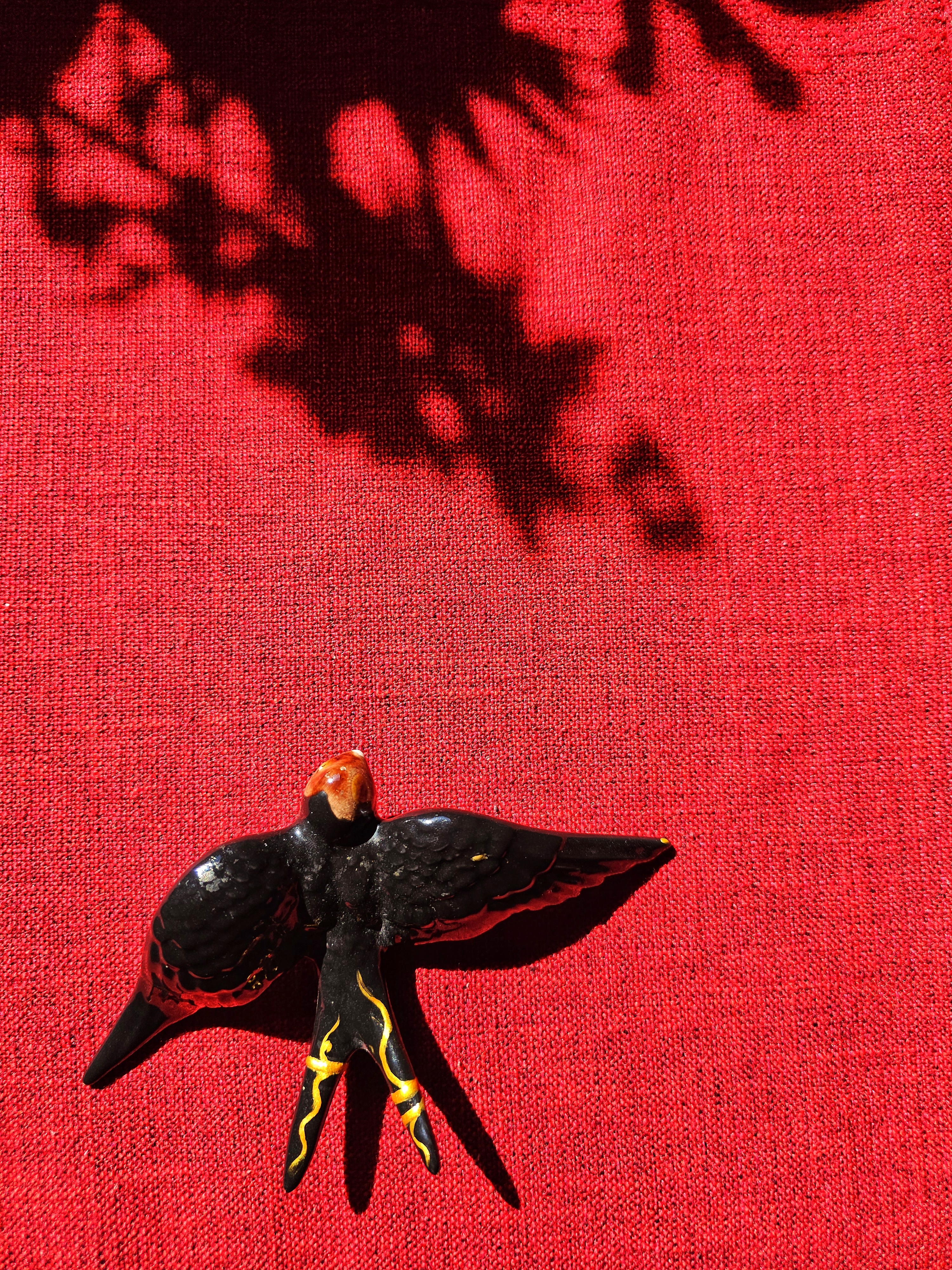
Photos: Some Self expressions of those sessions.


Recognizing that many people outside Iran may be unfamiliar with the historical and social context of the movement, we also prepared a presentation introducing the background of the protests and the long history of resistance against oppression in Iran. [Link/PDF]
The project was also personally meaningful to me. As a recent immigrant, I often felt caught between two worlds, physically present in one place while emotionally connected to another reality unfolding thousands of kilometers away. Facilitating these sessions became a way of staying connected, processing collective experiences, and transforming feelings of distance and helplessness into action and support.
Beyond the online sessions, the project also contributed to raising awareness within our local environment. Together with colleagues and fellow students, we organized an event at the university to highlight the impact of the situation on Iranians living abroad. While many were physically present in Germany, they were simultaneously carrying the emotional weight of events unfolding in Iran. The event sought to foster recognition, solidarity, and support within an international academic community.
Dance and Resistance in the Iranian Context
Although public dancing by women has been prohibited since the 1979 Islamic Revolution, dance remains deeply embedded in Iranian culture and everyday life. In some regions of Iran, movement and dance are even present in mourning and burial rituals. During the Woman, Life, Freedom movement, singing, dancing, and collective movement appeared in new and highly visible ways within memorial and funeral gatherings. These acts transformed spaces of grief into spaces of resistance, allowing people to express solidarity, resilience, and defiance in the face of oppression. For this reason, movement became not only a therapeutic tool within this project, but also a cultural and political language through which experiences could be expressed and witnessed.
How it goes on?
When I started working professionally as a Dance Movement Therapist, I noticed how much I missed the spontaneous gatherings and dancing of Iranians that could happen at even the smallest parties. This was something I did not experience in my daily life here, despite the overall freedom of the society.
As a response to my own need for connection—which I assumed might also be shared by other Iranians in the diaspora, as well as by Iranians in Iran who are still going through difficult times—I initiated an online dancing gathering in May 2025, where Iranians could join from wherever they were and dance together every other week.
There was no structured plan behind the sessions. They were open to music suggestions, chatting, sharing, and simply being together, much like the parties that inspired them.
It was simply called:
Let’s Dance! | برقصیم
We connected from Germany, Switzerland, Turkey, Mexico, and, of course, Iran!
Due to the difficult months many Iranians have experienced recently, as well as periods of limited internet access, these sessions are currently paused. However, I hope they will continue soon and perhaps even become open to non-Iranians as well.

